
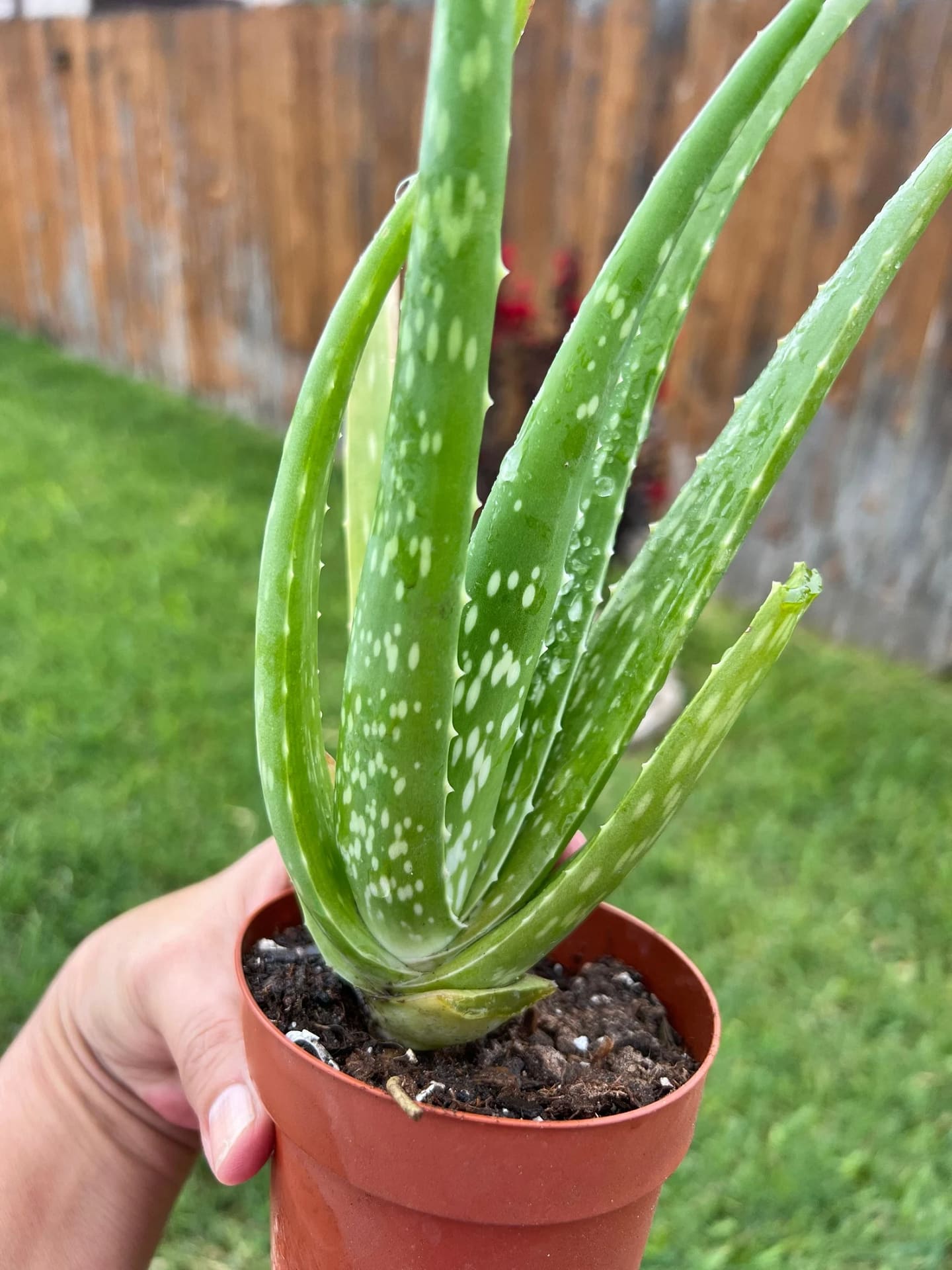
Aloe Plant Care Manual
Introduction
Aloe plants are hardy succulents known for their medicinal properties and attractive foliage. They thrive in a variety of conditions, making them a great addition to any home. This manual will guide you through the essentials of caring for your Aloe plant.
1. Choosing the Right Location
- Light: Aloe plants prefer bright, indirect sunlight. A south or west-facing window is ideal. Avoid direct sunlight for long periods to prevent leaf burn.
- Temperature: Ideal temperatures range from 60°F to 75°F (15°C to 24°C). Protect your plant from frost and extreme heat.
2. Watering
- Frequency: Water your Aloe plant every 2-3 weeks. Allow the soil to dry out completely between waterings.
- Method: Water thoroughly, allowing excess to drain out. Never let the plant sit in standing water, as this can cause root rot.
3. Soil Requirements
- Type: Use well-draining soil, such as cactus or succulent potting mix. You can also create your own mix by combining regular potting soil with sand or perlite.
- Potting: Ensure your pot has drainage holes. Repot every 2-3 years or when the plant outgrows its pot.
4. Fertilizing
- Type: Use a balanced, water-soluble fertilizer diluted to half strength.
- Frequency: Fertilize once in the spring and once in the summer during the growing season. Do not fertilize in fall and winter.
5. Pruning and Maintenance
- Pruning: Remove dead or damaged leaves at the base to promote healthy growth. Use clean, sharp scissors or pruning shears.
- Dusting: Wipe leaves gently with a damp cloth occasionally to remove dust and allow the plant to breathe.
6. Signs of Trouble
- Yellowing Leaves: Usually a sign of overwatering. Check soil moisture and adjust watering schedule.
- Wrinkled Leaves: Indicates underwatering. Increase watering frequency.
- Mushy Leaves: Typically a result of root rot from overwatering. Inspect roots and consider repotting in fresh soil.
Uses?
Here’s a short list of ways to use Aloe plants:
1. Skin Care
- Burn Relief: Apply fresh Aloe gel to minor burns or sunburns for soothing relief.
- Moisturizer: Use the gel as a natural moisturizer for dry skin.
2. Wound Healing
- Cuts and Scrapes: Apply Aloe gel to small cuts to promote healing and reduce inflammation.
3. Hair Care
- Conditioner: Use Aloe gel as a hair conditioner to moisturize and reduce dandruff.
4. Homemade Products
- Face Masks: Mix Aloe gel with other natural ingredients for hydrating face masks.
5. Household Uses
- Air Purifier: Place Aloe plants indoors to help improve air quality by filtering toxins.
These uses highlight the versatility and benefits of Aloe plants in everyday life!